
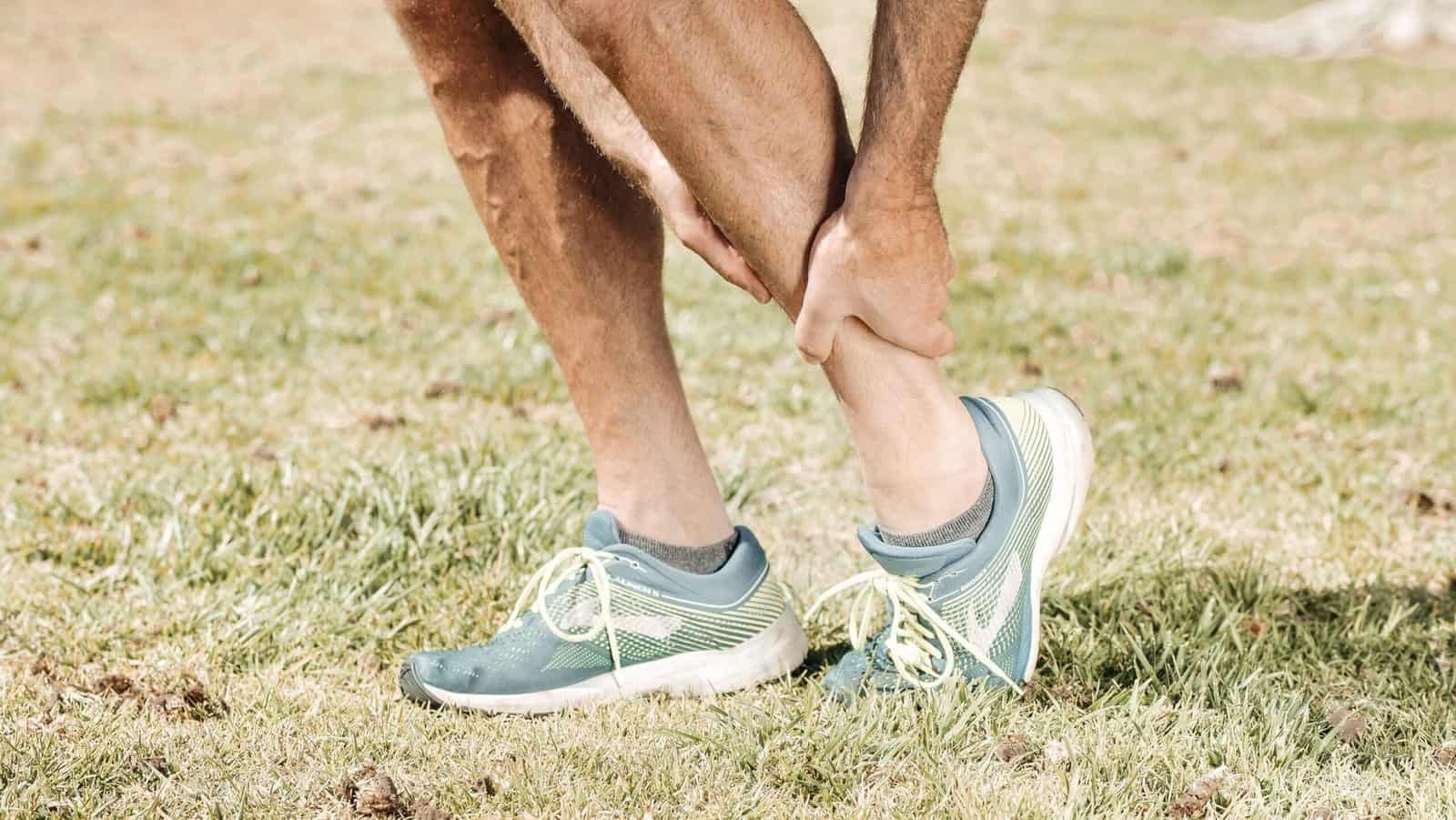
Your shin started aching near the end of a run. A week later, you feel it before you’ve reached the first set of lights. Now it hurts on the walk home. It’s understandable to hope it’s shin splints, especially if you have a race coming up. That change in when the pain starts is worth paying attention to.
Shin splints usually cause a broad ache along the inside edge of the shinbone. A stress fracture is more likely to hurt in one small spot, and the pain may start earlier in a workout, linger afterwards or show up during ordinary walking. There’s overlap, especially early on. If you can point to one sharply tender spot or the pain is starting to affect how you walk, pause running and jumping and arrange a medical assessment.
Where it hurts is your first clue
Shin splints is the everyday name often used for medial tibial stress syndrome, or MTSS. The pain typically follows the inner edge of the lower shin, along the tibia, the larger of the two bones in your lower leg. It can build during running or jumping and linger for a while after you stop. Some people notice it in both legs. On examination, the tenderness usually extends along several centimetres of bone.
A tibial stress fracture is a small crack in the shinbone caused by repeated loading. It sits at one end of a range of bone stress injuries. When repeated impact outpaces the bone’s ability to repair and adapt, a stress reaction can develop before there’s a visible crack. That earlier injury can still hurt and may need a change in how much weight or impact the leg takes. Shin splints and bone stress injuries can share symptoms and sometimes imaging findings. Having shin splints doesn’t mean a fracture is inevitable. 2026 review of tibial bone stress injury
In an exam, tenderness spread over roughly 5 cm or more along the inner edge is a clue towards shin splints. Tenderness concentrated beneath a fingertip raises suspicion for a bone stress injury, especially if the pain is worsening. The 5 cm measurement is one part of the examination. A broader sore area can coexist with a more focal injury, so there’s little to gain from pressing along your shin with a ruler.
Notice when the pain starts and how long it stays
Early bone stress pain may show up only on runs or during jumping. You might feel fine walking around the house or even have a day without symptoms after resting. As the injury progresses, the pain may start sooner with less effort, persist after exercise or become noticeable when you walk. Pain at rest or at night, particularly when it’s new or worsening, is a reason to be assessed promptly. It can have other causes too.
Pain sometimes eases once you get moving. That can happen with shin splints, but the warm-up effect alone tells you very little about whether the bone is ready for more impact. Pay more attention to what has changed over several sessions. Are you cutting runs short? Are stairs or the walk to the car becoming painful? Is the sore area becoming easier to pinpoint? That history is more useful to your GP than the result of another test run.
You might see a single-leg hop suggested online. A painful hop can occur with several causes of shin pain, and a comfortable hop can miss a bone stress injury. Skip repeated hops, tapping tests or a run to prove your leg is okay. A clinician can decide what’s appropriate to test after hearing how the pain developed.
When to get your shin checked
- Book a GP or sports doctor appointment promptly if there’s a small, distinctly tender spot, symptoms are worsening despite easing off, or pain occurs with walking, at rest or at night. Pause impact exercise while you wait. Tell the clinic if you’re limping or putting weight on the leg hurts.
- Go to an emergency department straight away if you develop sudden severe or rapidly worsening lower-leg pain, especially after an injury. A tight, swollen leg, new numbness or weakness, or a pale or cold foot can also signal an emergency. Call triple zero (000) if you need an ambulance. If you suddenly can’t put weight on the leg, seek urgent medical care. Healthdirect guidance on compartment syndrome
There’s another pattern worth mentioning. If the leg feels tight or full at about the same point in every run, with tingling or weakness that settles after you stop, tell your doctor. That pattern can occur with chronic exertional compartment syndrome, where pressure rises in a group of muscles during exercise. It needs a different assessment. If the pain is more of a broad ache that settles with less impact and everyday walking is comfortable, give it a break from the provoking activity. Get it checked if it keeps returning, fails to improve or changes character.
What an X-ray can miss
Your clinician will usually start with the story of your pain and a physical examination. They’ll want to know where it started, how it feels now and what changed in the weeks before it began. A move from two easy runs a week to regular hill sessions plus weekend sport is useful information, even if there was no single moment when you hurt yourself.
If a stress fracture is suspected, an X-ray is often the first imaging test. It can look normal early on. If the examination still points towards a bone stress injury, your doctor may recommend an MRI, usually without contrast. MRI can show changes in and around the bone before a crack is visible on X-ray. The images also need to fit the symptoms. Some people who train have changes on MRI in areas that don’t hurt, so the report is interpreted alongside the location of the pain and the exam. American College of Radiology imaging guidance
The exact location matters once an injury is identified. Bone stress on the back-inner side of the tibial shaft usually has a lower risk of healing complications. An injury in the front wall of the shaft can be slower to heal and may need more protection, specialist follow-up and confirmation of healing before you return to running. How much it hurts that day can’t tell you which part of the bone is involved.
Why your doctor may ask about food and periods
Bring up any previous stress fracture, a diagnosis of low bone density, or pain that started with everyday activity. Bone stress injuries can occur when training increases quickly, and they can also happen under ordinary loads when bone is weakened. Those details help your doctor decide whether to look beyond the immediate injury.
If you train regularly, it’s also worth mentioning whether it’s been hard to eat enough around training, or whether your periods have become irregular or stopped, if you menstruate. A sustained mismatch between the energy you take in and the demands of exercise can affect bone health in athletes of any sex. It can happen unintentionally, especially when training increases and meals stay the same. This is useful medical information, and you don’t need to figure out the cause yourself. Australian Institute of Sport guidance on energy availability
What returning to running can look like
For shin splints, reducing the running or jumping that brings on the pain gives you room to settle symptoms. As they improve, a gradual return and strengthening work can help you rebuild what the leg can tolerate. You might start with shorter, easier sessions on flat ground and leave hills or speed work for later. If the pain starts earlier or is worse the next day, the session may have asked too much of the leg.
A suspected or confirmed bone stress injury needs a more protective approach at first. Ask your doctor how much walking is suitable, particularly if it hurts. Some injuries need a boot or crutches. Before running resumes, your clinician will usually want you walking comfortably and will check the tenderness, strength and ability to tolerate load. Higher-risk injuries may need follow-up imaging. A return often starts with brief jogs broken up by walking, gradually building easy distance before adding faster work. The right pace depends on the injury, your symptoms and your training history. A blanket 10% increase each week can move some people along too quickly. Sports Medicine review on returning to running
Missing a few sessions can feel like losing ground, especially when training is something you look forward to. If your shin is getting more painful, you can do something useful today without testing it again. Note exactly where you feel it and the first activity that brings it on. Take that information to your appointment so you can work out what’s safe to keep doing while the leg recovers.